
How to build a productivity system around problems
Are you working on the right things?

In my last essay, I argued that productivity isn’t about completing tasks efficiently—it’s about resolving the problems you actually care about. The response was immediate: “Okay, but how? How do I actually organize my work this way?”
Fair question. The conceptual shift is one thing. Building a system that makes it natural is another.
This essay is that system. Not a productivity app or an elaborate framework—just a practical method for organizing your work around the problems you care about. You can start with paper and pen. You can do it this afternoon.
I’ll show you exactly how.
The Core Structure
Start simple. Grab paper or open a blank note. Pick one problem you’re currently facing—something concrete, like “I’m anxious about my career direction” or “I want to get better at French.”
Write it down.

Now you’re going to do two things: go up and go down.
Going up means asking “why does this matter?” What larger aspiration does this problem serve? Draw an arrow from your problem to that aspiration. Then ask again: why does that matter? Keep going until you hit something fundamental—something you can’t really justify further because it just feels like a core part of what you want from life.
Going down means asking “how might this be resolved?” List possible paths. Don’t filter yet—just generate options. Then evaluate them. Which ones actually serve the larger aspirations you found when going up? Cross out the ones that don’t. The ones that remain become more specific problems or concrete tasks.
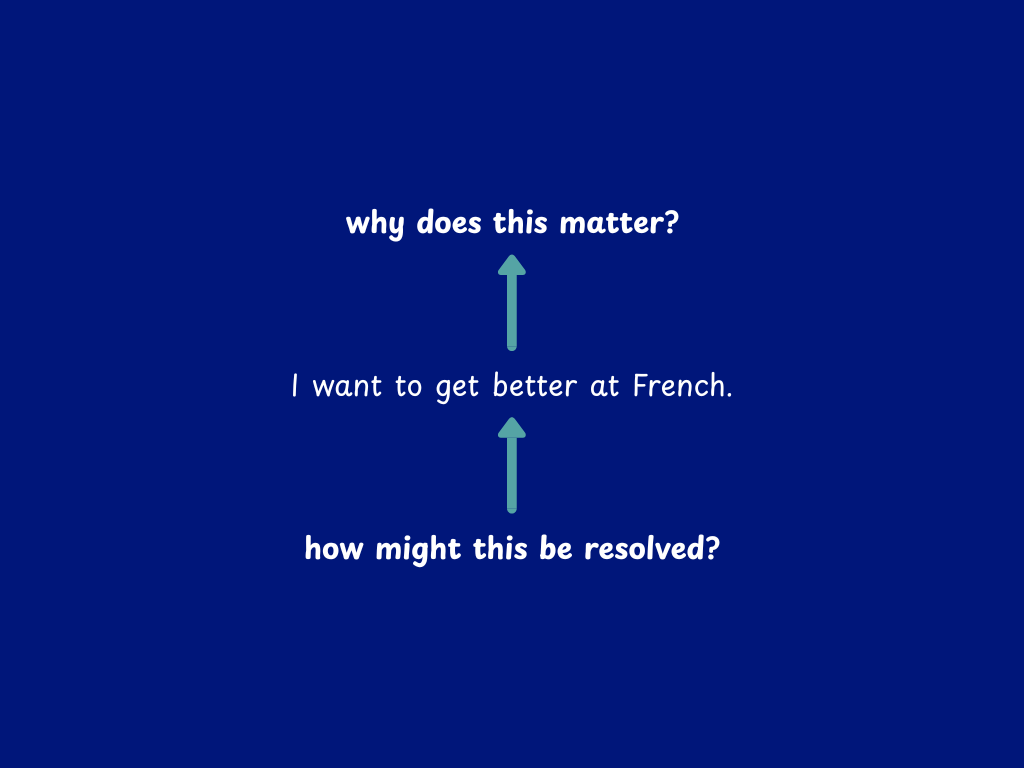
Let me show you what this looks like in practice.
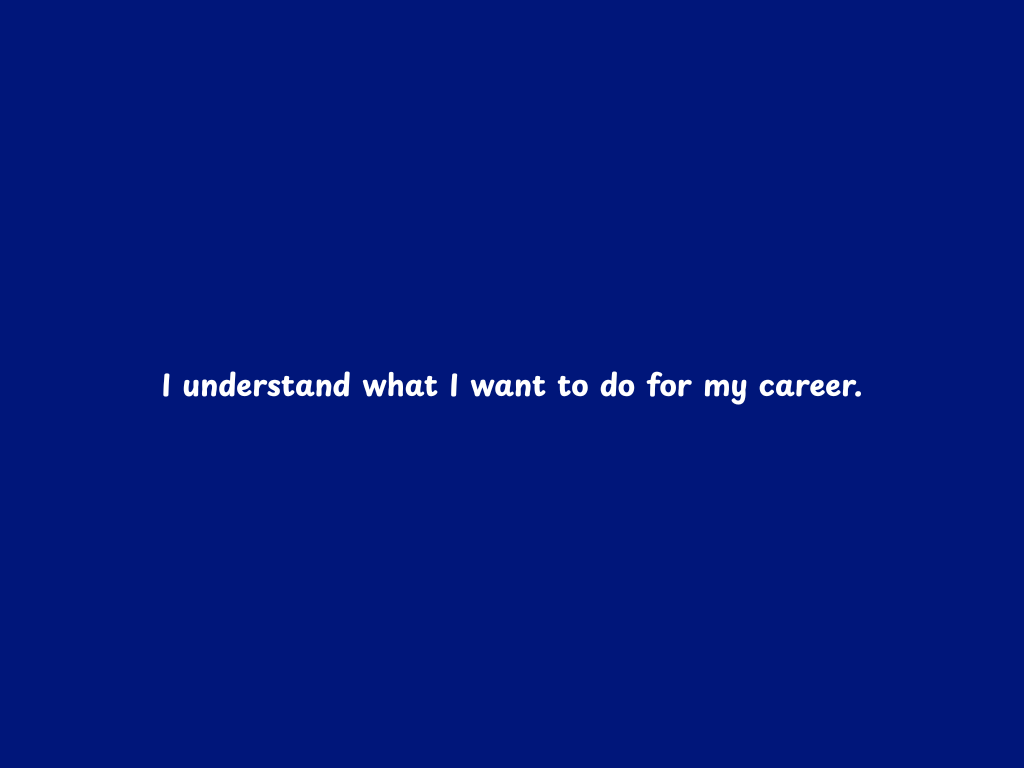
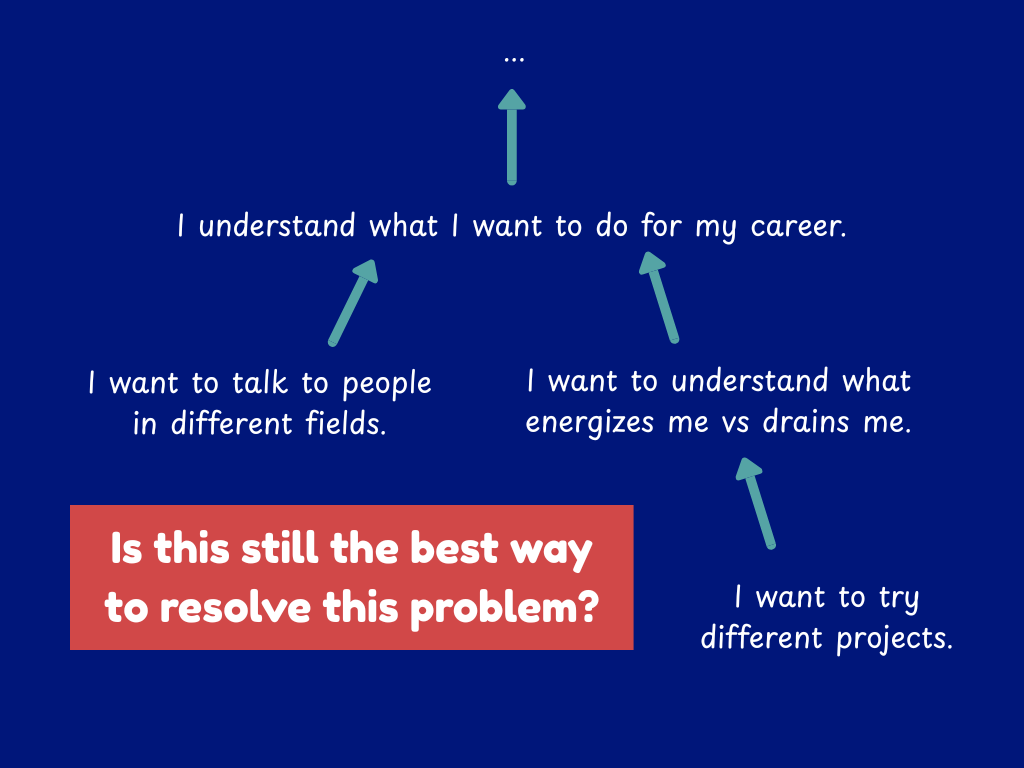
A friend of mine was anxious about his career. We sat down with paper and pencil. He wrote: “I understand what I want to do for my career.”
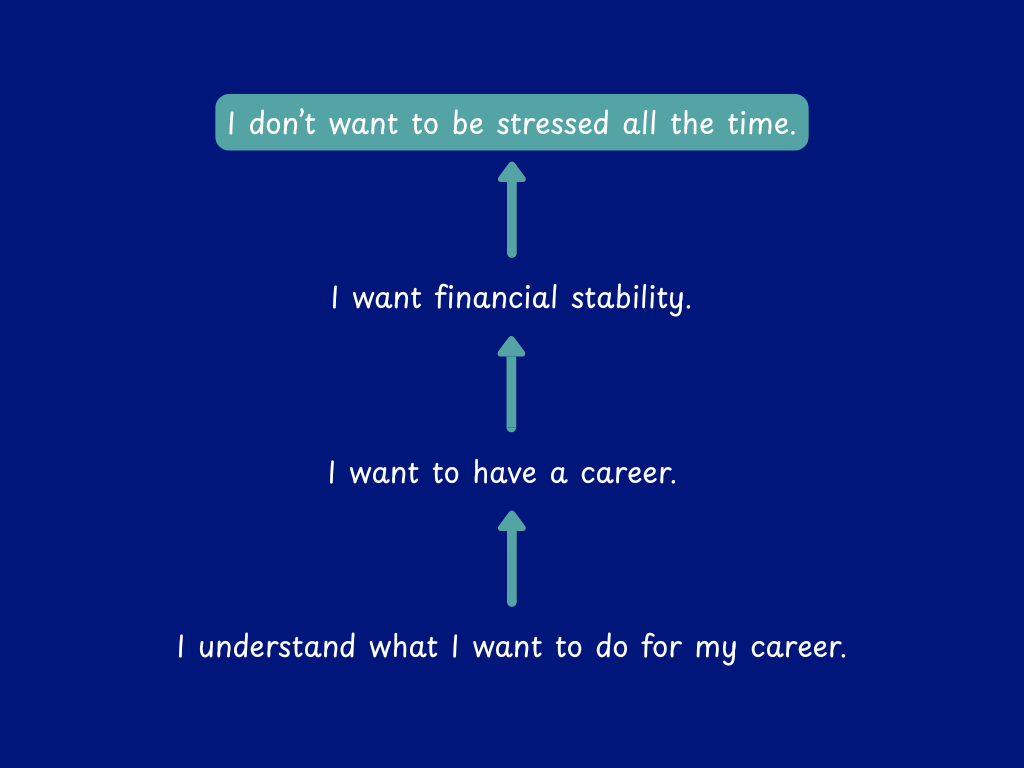
Going up, we drew arrows: Why does this matter? “Because I want to have a career.” Why does that matter? “Because I want financial stability.” “Because I don’t want to be stressed all the time.” We kept drawing connections, boxing the things that felt fundamental.
Going down, we asked: How might you figure out what you want?
“Talk to people in different fields.”
“Try different projects.”
“Reflect on what energizes me vs drains me.”
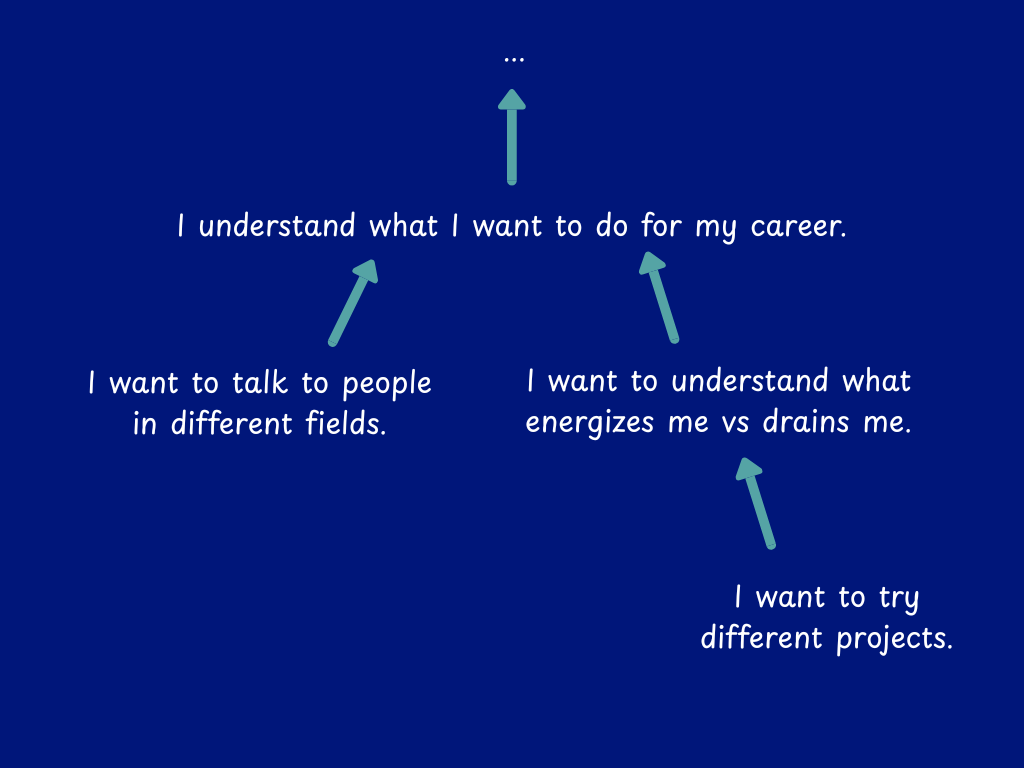
Some options got crossed out as we talked through them. Others became concrete next steps.
The page got messy—arrows everywhere, crossed-out text, boxes around core aspirations. That’s good. The messiness means you’re thinking, not just organizing.
He’s been returning to it when anxiety strikes or when he feels inspired. Each time, he adds new connections, crosses out paths that didn’t work, clarifies what matters. The system evolves as he learns.
This is the foundation. Everything else builds on this.
Making It Live
A static diagram on paper helps you think. But problems don’t sit still—they evolve, new ones emerge, circumstances change. You need a system that stays current with your actual life.
Here’s how I make it work:
Regular Review
This is where the real work happens. Regularly—I aim for daily, but at minimum weekly—I review my aspirations and explore the paths down.
I go through my aspirations, looking at the paths I’ve already identified. For each one, I ask: “Is this still the best way to resolve this problem?” Sometimes the answer is yes and nothing changes. Sometimes I realize a path isn’t working and needs to be crossed out. Sometimes I see a better option I hadn’t considered before.
When I find aspirations that don’t have clear paths yet, I’ll ask “How might this be resolved?” and generate options. But most of the time, I’m evaluating and refining what’s already there, not starting from scratch.
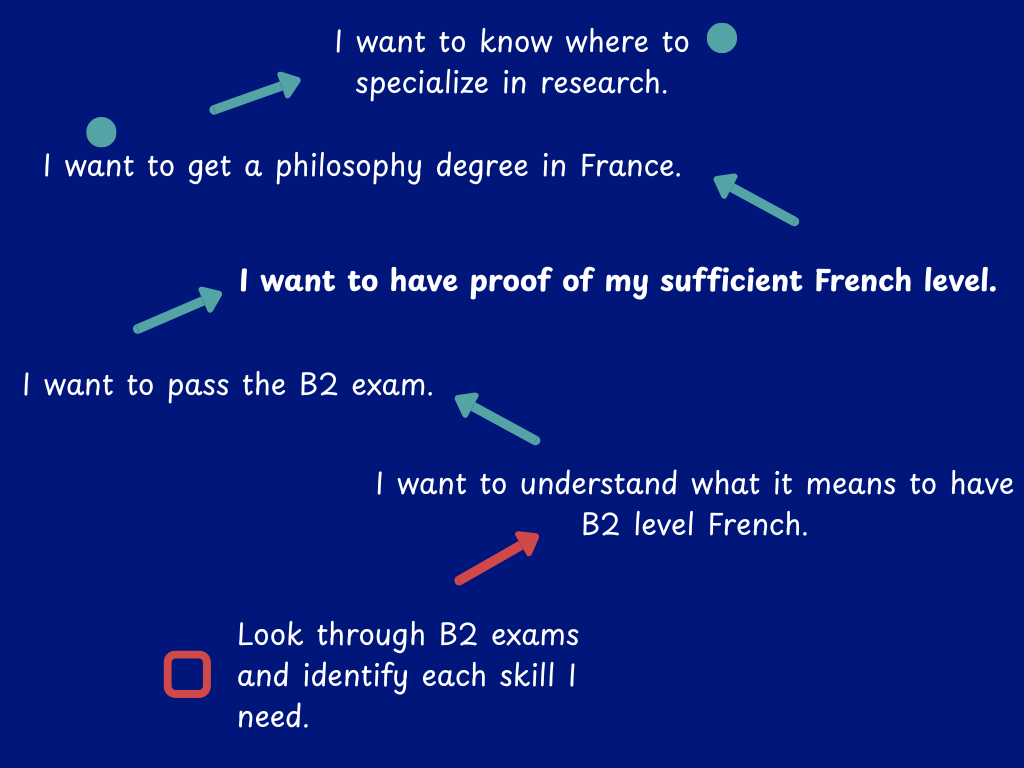
I also refine the “up” direction. As I go through my aspirations, I’ll occasionally add a dot next to ones that seem to serve more purposes than I’ve captured—there are probably more “why”s I haven’t articulated yet. Then, regularly, I’ll go through these dotted aspirations and try to remove the dots by actually adding those reasons, drawing more arrows upward.
Sometimes I realize that some aspect of an aspiration feels fundamental—it doesn’t serve anything else, it just matters on its own. I’ll box that. But that doesn’t mean there’s nothing left to figure out. Even fundamental aspirations can have auxiliary “why”s that connect them to other parts of what I care about.
Let me show you how this works in practice.
I had the problem: “I want to have proof of my sufficient French level.” Going up: this served “I want to get a philosophy degree in France,” which served “I want to know where to specialize in research.”
Going down from French, I had: “I want to pass the B2 exam.” Down from there: “I want to reach B2 level French.” But I didn’t know what that meant, so I created: “I understand what it means to have B2 level French.”
Task: “Look through B2 exams and identify each skill I need.” I did that, which generated more specific aspirations: improve French writing, speaking, presenting arguments, listening, reading.
Now I could evaluate options: Daily AI tutoring? French class? French club? Practice exams? Podcasts? Music? Books?
Music wasn’t helpful—I already had enough passive exposure. French class would stress me out and wouldn’t be tailored to my needs. I crossed those out.
What remained: Join French club (I really needed spoken practice). Daily tasks for chatting and flashcards. Reading practice. Biweekly practice exams.
Each of these became concrete tasks with due dates. “Attend club crawl to meet French club members.” “Add first French club meeting to calendar.” “Complete practice exam by Sunday.”
This process took maybe 20 minutes total, spread over a few sessions. But now I had a clear path forward, grounded in what I actually needed, evaluated against what else mattered in my life.
When I work on these tasks, I know exactly why they matter and how they fit into the larger picture. That’s the difference between task-thinking and problem-thinking made concrete.
The Improvement Loop
Here’s one more practice that’s been transformative: every day, I ask myself “If I could redo yesterday, what would I do differently?”
Then I create a task that would improve my chances of that happening.
This is how the system improves itself. Maybe you realize you’re always rushing in the morning. Task: “Create a morning routine checklist.” Maybe you keep forgetting to review your aspirations. Task: “Set up weekly reminder.”
The system grows with you. It’s not static—it’s a living structure that evolves as you learn what works.
Common Mistakes
Two mistakes I see people make when starting (I made them both):
Mistake 1: Treating your first draft as final
You write down “I want to be successful” as a fundamental aspiration and immediately think: “Wait, that’s too vague. What does ‘success’ even mean? I need to be more precise before I write anything down.”
I’ve learned it’s better to just write it down. You can refine it later—and you will. The act of writing imprecise things and working with them is how you discover what you actually mean.
I’ve seen people spend an hour trying to craft the perfect problem statement and never actually start building the system. Better to get something on paper and iterate as you go.
Mistake 2: Never radically reconsidering
The opposite mistake: you map out your aspirations, work through some paths, and then… never fundamentally rethink them.
You treat the structure as settled. “I figured out my fundamental aspirations six months ago, so those must still be right.”
But your fundamental aspirations can change. Should change, as you learn and grow. The world changes. You change. Your understanding of what matters shifts.
The system should reflect that. I try to periodically—maybe every few months—go back to my fundamental aspirations and ask: “Do I still care about this? Does this still capture what matters to me?”
Sometimes the answer is yes. Sometimes you discover you’ve been optimizing for something you don’t actually want anymore.
Both mistakes come from the same root: thinking the system is supposed to represent some perfect, eternal truth about what you want. It’s not. It’s a working model that gets refined through use.
Starting Today
You don’t need special tools for this. Paper works. A simple notes app works. I started with Obsidian, moved to Tana, and I’m building something more sophisticated because I want features those don’t have. But the core system—the going up and down, the capture and review—works regardless of tools.
Here’s the minimum viable version:
Take 15 minutes. Write down one problem you’re facing.
Go up: draw arrows to what it serves, keep going until you hit something fundamental.
Go down: list ways it might be resolved, evaluate them, generate tasks.
Tomorrow: spend 5 minutes reviewing what you captured yesterday. Add it to your tree.
This week: spend 15 minutes reviewing your aspirations and exploring paths down.
That’s it. You now have a productivity system organized around problems instead of tasks.

I’ll be honest: it will probably feel strange at first. Maybe even uncomfortable. You might feel resistance, uncertainty, confusion about whether you’re doing it “right.”
What I’ve found is that pushing through that initial discomfort is worth it. Give it 15 minutes past the point where you want to stop. The discomfort is your brain adjusting to a new way of thinking. It passes.
What you’re building is more than a task list. You’re externalizing your thinking—taking the messy, implicit reasoning about what matters and making it explicit, visible, improvable.
When you write down a problem, connect it to larger aspirations, and trace paths to resolution, you’re no longer trying to hold everything in your head. The system holds it. You can see it, critique it, improve it.
This is how you operationalize “start with problems instead of tasks.” Not as a philosophy, but as a daily practice with a clear structure.
As you work with it, you’ll discover what needs refinement. Maybe you need better ways to surface relevant problems at the right time. Maybe you need to track which paths you’ve tried and abandoned. Maybe you want to visualize the connections more clearly.
That’s natural. Let the system evolve. I’m building tools to make this easier—to make the capture more seamless, the review more intelligent, the connections more visible. But the core stays the same: problems up, problems down, tasks emerge.
Start simple. Start today. The sophistication comes from use, not from setup.
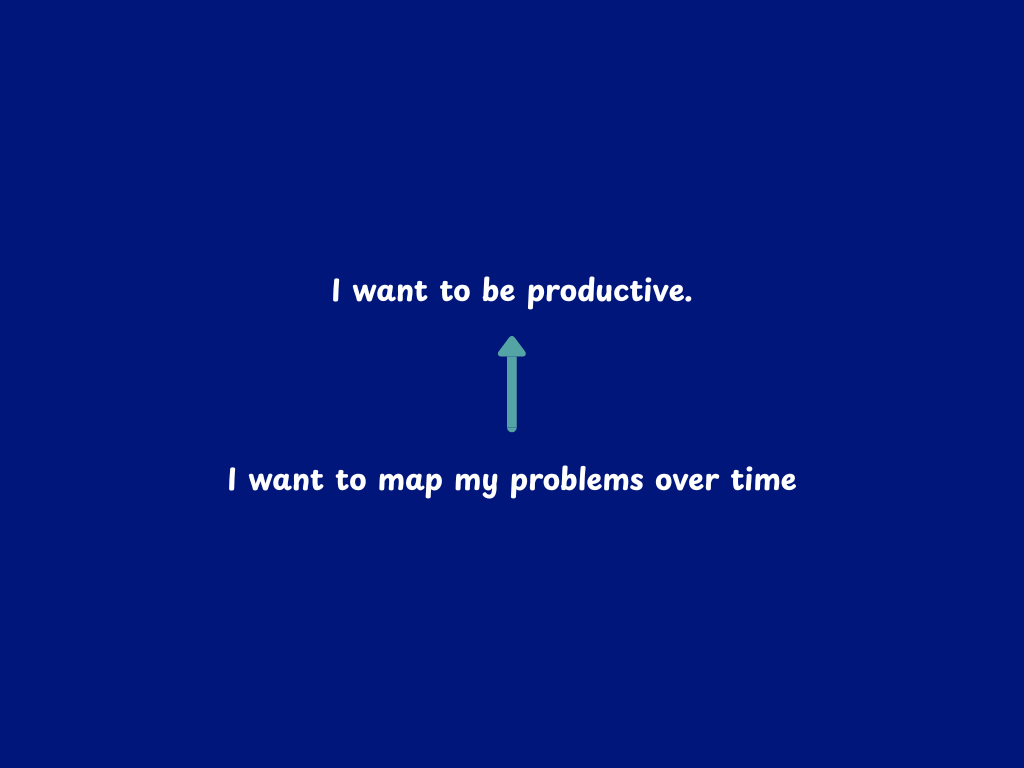
Your productivity system is no longer a list of tasks you hope will add up to something meaningful. It’s a map of the problems you care about and the paths you’re taking to resolve them.
That map is never finished. It shouldn’t be. But having it—being able to see what matters and how you’re moving toward it—changes everything.
Written with the help of AI.
I like this approach and I will try it! There is a reward system in our brain for completing tasks. This tries to go beyond that into the truly effective use of resources.